01
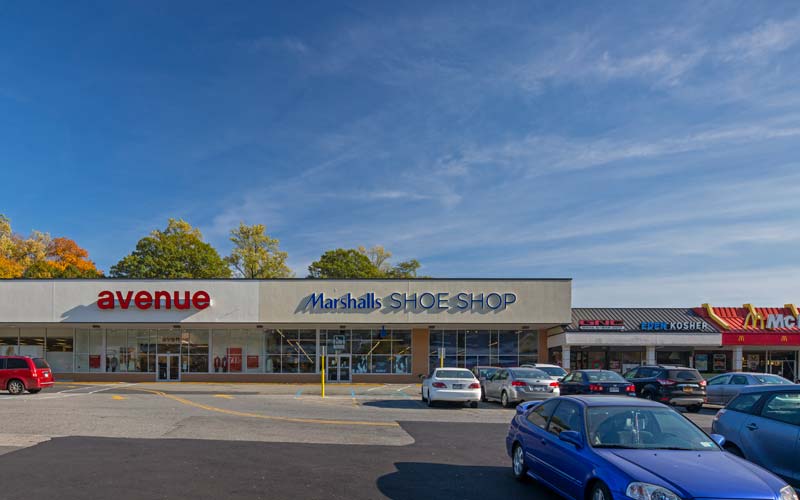
Central Avenue
Works as a road. Fails as a place.
- Existing value
- Traffic, retail demand and commercial land
- Required response
- Rebuild selected properties around people, with compact districts where you park once and stay.
The city is celebrating a downtown revitalization grant. In the community next door, the same money buys about four median-priced houses.
Ten million dollars is a fortune to a family or small business.
Spending it on a few waterfront attractions will improve a few properties in Yonkers. It will not, by itself, improve life for people dealing with poverty, addiction, neglected storefronts and failing infrastructure.
Those are not the same accomplishment.
Yonkers does not need one glossy master plan. It needs to protect what works, rebuild what does not and stop confusing a destination with a community.
Works as a road. Fails as a place.
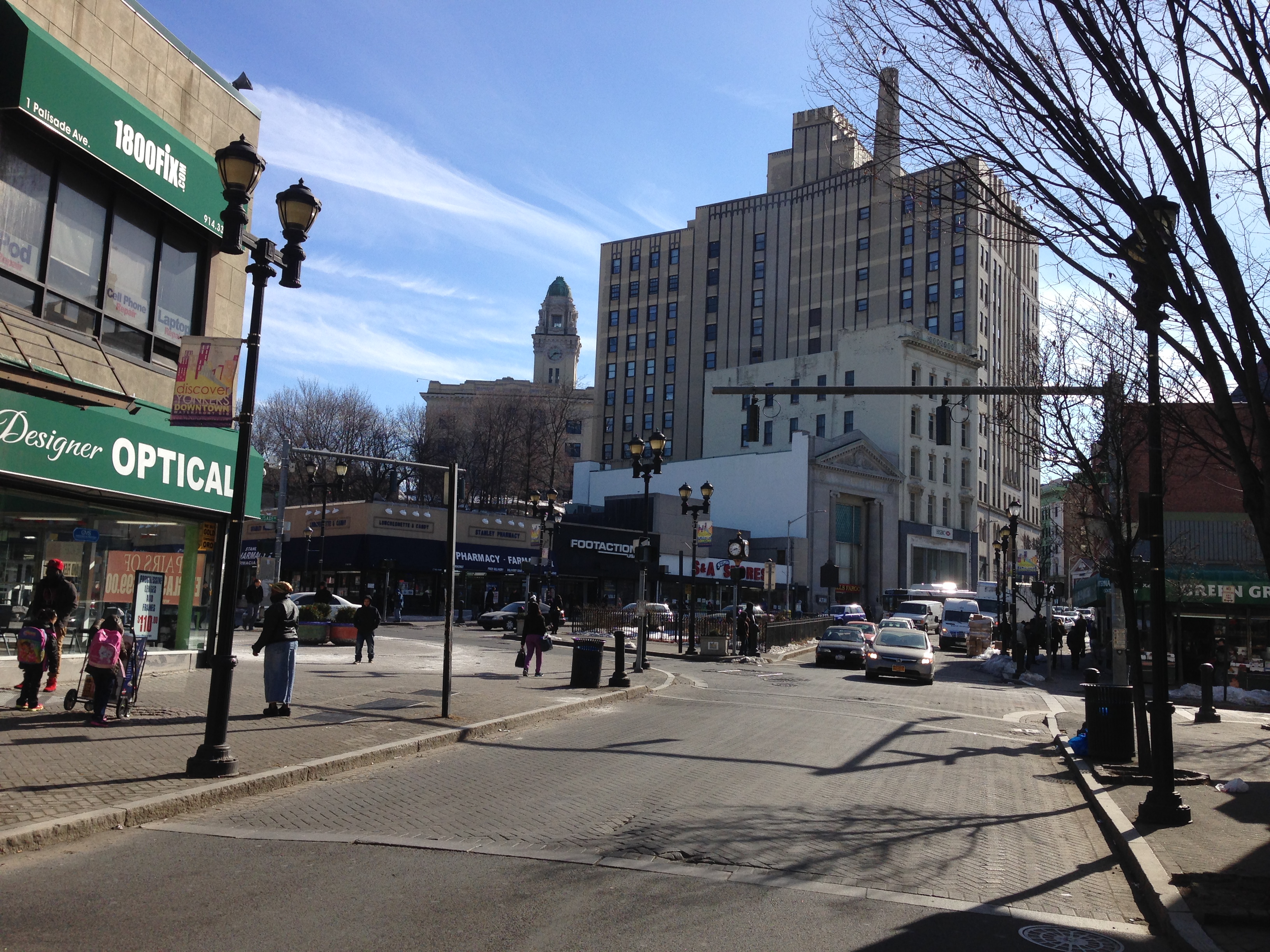
Character worth protecting.
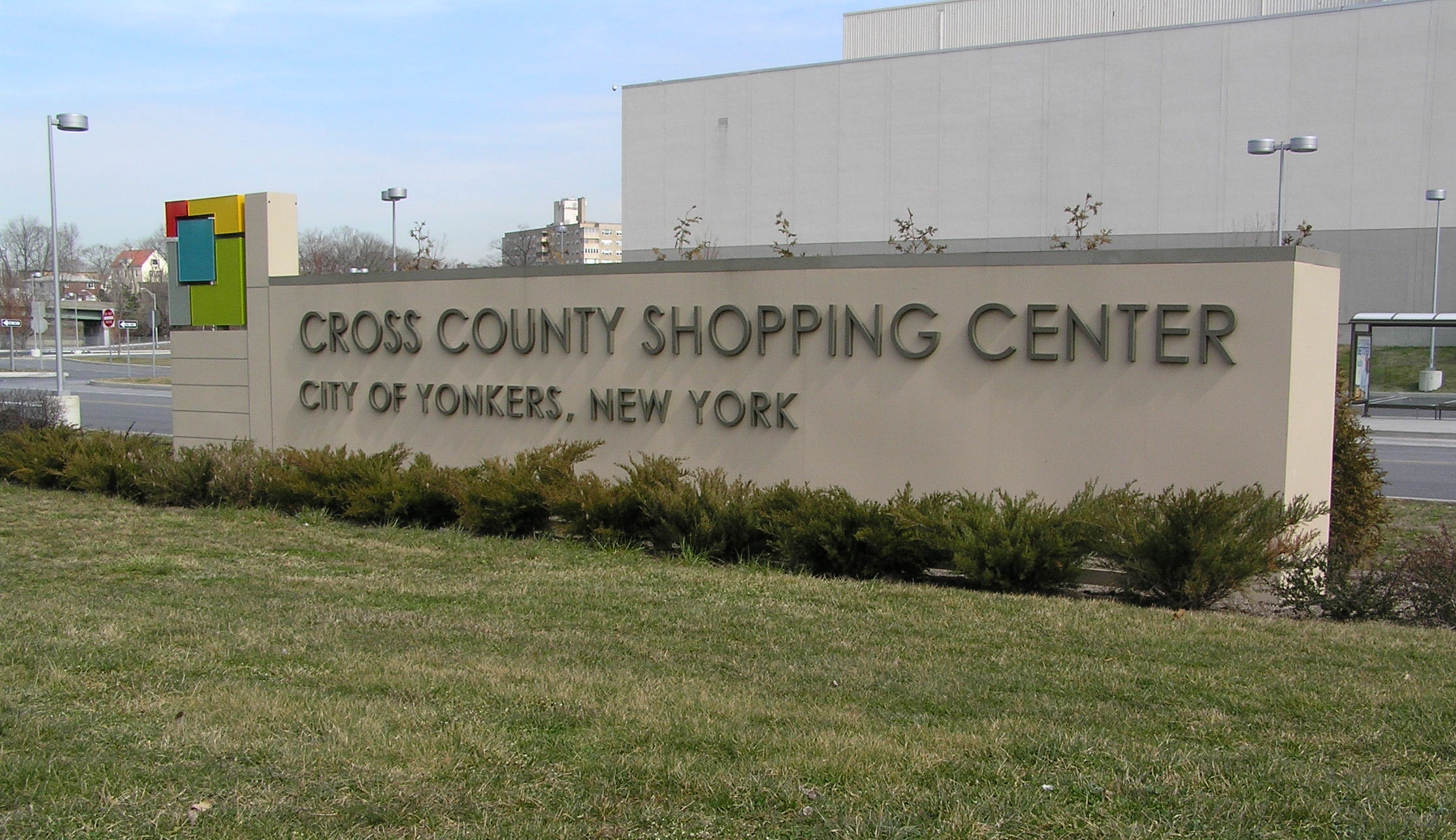
A destination—with limits.
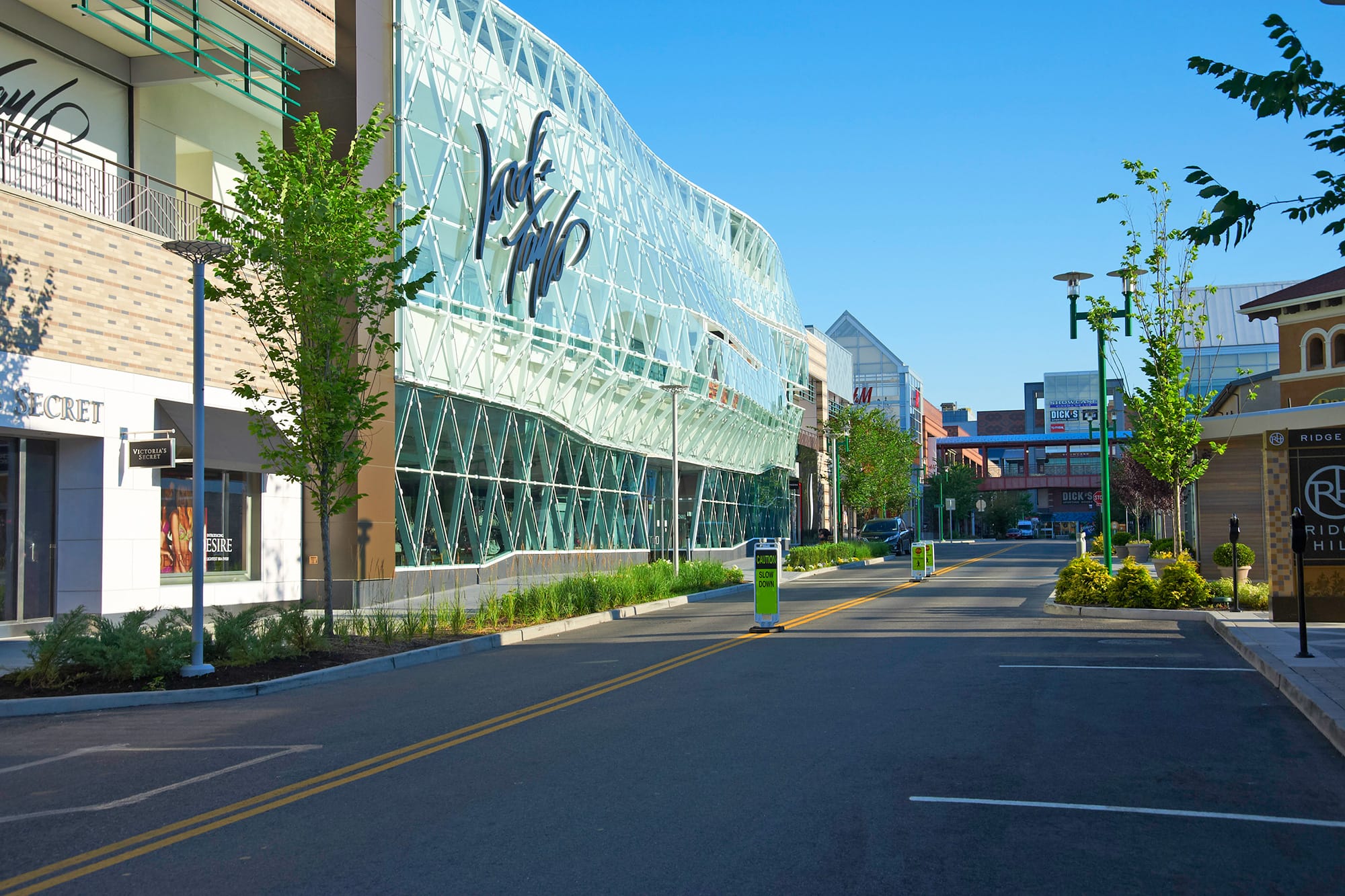
An experience, not a string of errands.
Storefronts meet the sidewalk. People live above the businesses. Barbershops, Mexican restaurants, Dominican businesses and neighborhood relationships already exist.
Rehabilitation should let those merchants improve with the neighborhood—not replace them after years of neglect.
Getty Square, Yonkers · Photo: Wikimedia CommonsThe award matters. The victory lap does not. Private projects already underway in Yonkers show the scale of capital needed to create and maintain places.
These projects are proposals, not final awards. Several could create public value. The waterfront emphasis still deserves scrutiny.
At the Stop & Shop beside Cross County, a police officer told me the store no longer offers handheld baskets because people steal them—and shopping carts too.
A $90 million shopping-center expansion can create parks, boardwalks and events. It cannot repair the poverty, addiction, homelessness and public disorder surrounding it.
Good property management can improve a destination. It cannot repair the social conditions of an entire city.
The state program favors capital projects and reimbursement. That can make the money easier for established developers to use than struggling small businesses—and it cannot pay for every condition Yonkers needs to address.
Turn selected Central Avenue properties into places where people park once, walk, eat and stay.
Fix Broadway’s buildings and public spaces while giving existing merchants a path to remain.
Treat poverty, addiction, housing and public disorder as city problems—not inconvenient scenery.
Use the $10 million to attract far more public and private capital, tied to measurable resident benefit.
Central Avenue needs to become less transient.
Downtown Yonkers needs investment without erasure.
And people who are down and out need something more meaningful than a marina, a mural or another political victory lap.